What types of rocks are found in the Alps?
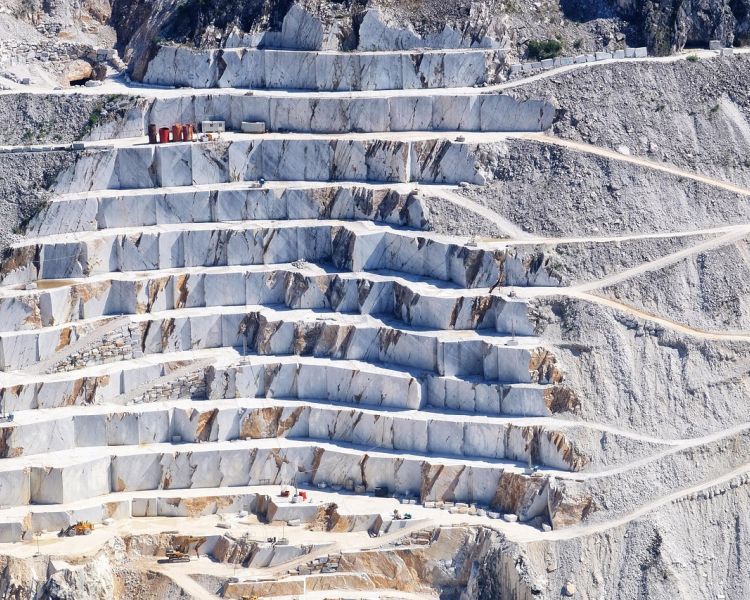
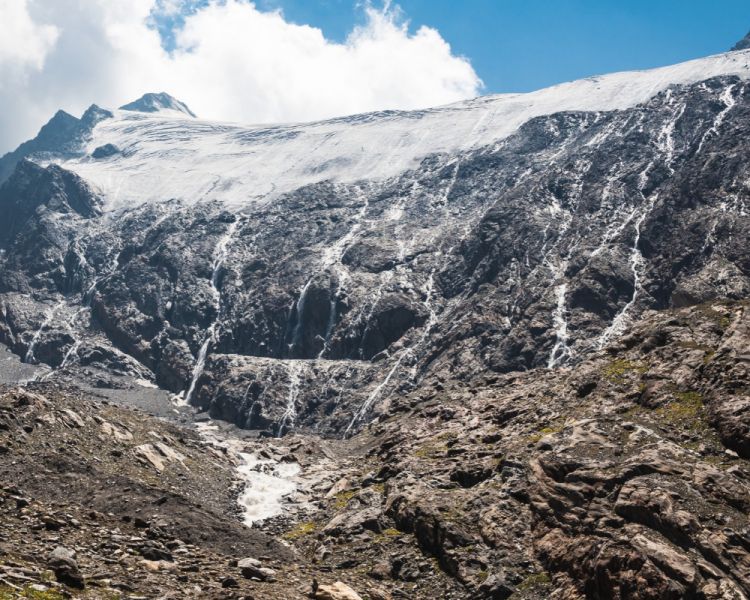
If you look closely, you’ll quickly notice that the rocks in the Alps don’t all look the same. Nature has worked its magic here on a massive scale, using the ancient seafloor and the continental crust to create a fascinating puzzle—one that isn’t as straightforward as it might seem at first glance. There are many different types of individual rocks, as well as hybrid forms. Here are the most important ones:
How were the Dolomites formed?
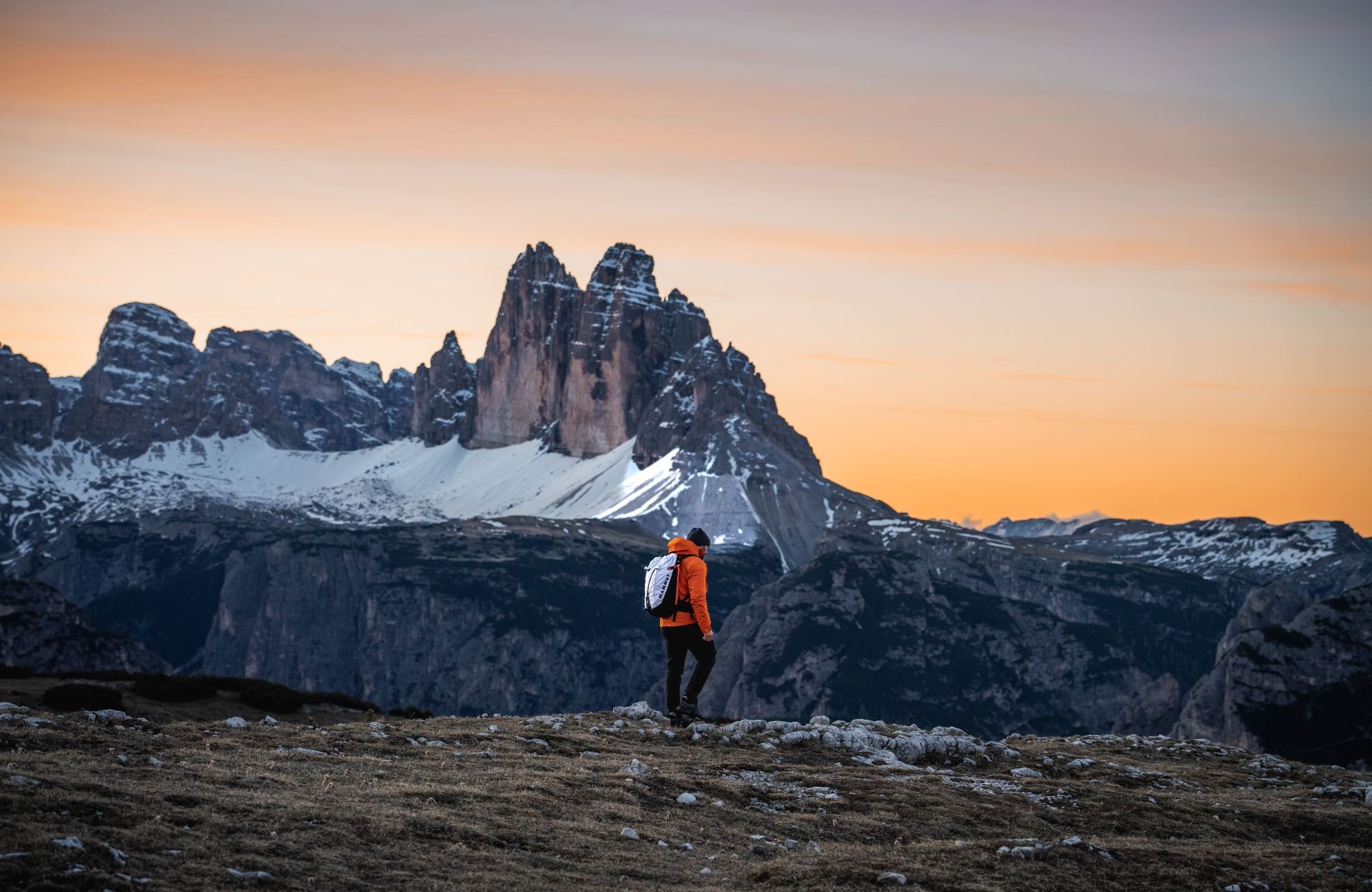
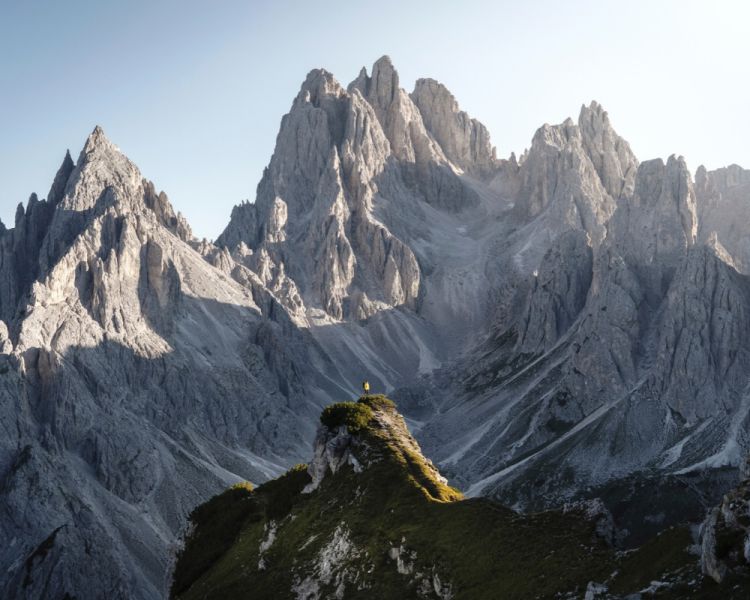
Anyone who has ever stood before the Three Peaks in South Tyrol knows: These mountains look completely different from the rest of the Alps—even though, geologically speaking, they are part of the Limestone Alps. No rounded summits or massive, gray walls, but rather vertical, pale towers rising from the green alpine meadows like the spikes of a petrified dragon. Why is that?
It’s complicated
About 240 million years ago, the region that is now the Dolomites was a tropical underwater paradise. Coral and other calcium-forming organisms lived in the warm, shallow seas, and their remains were deposited on the seafloor. At the same time, the region was characterized by intense volcanic activity, which influenced the chemical composition of the seawater and contributed to the formation of magnesium-rich fluids. How the original limestone gave rise to the dolomite rock that gives the region its name today is a complex process: magnesium-rich fluids played an important role in what is known as dolomitization—the exact process remains the subject of scientific research to this day.
What is the famous “Enrosadira”?
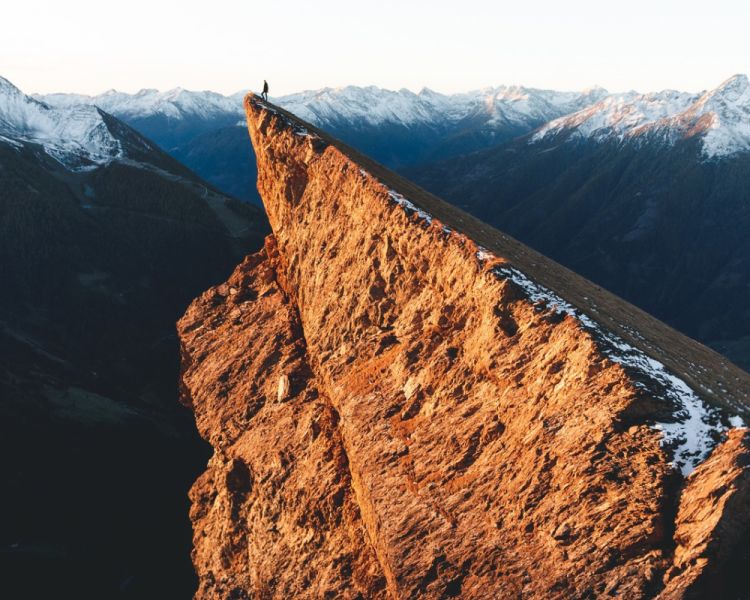
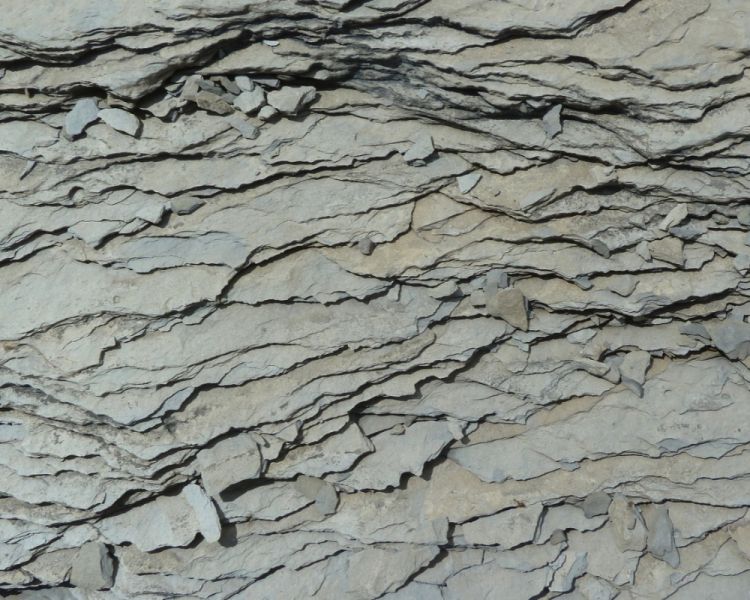
Dolomite rock is relatively durable, yet it is permeated by fissures and layering. Over time, combined with weathering, erosion, and the work of glaciers, this gave rise to the landscape typical of the Dolomites, characterized by towers, pinnacles, and vertical cliffs. Another distinctive feature of the Dolomites: They often glow at sunrise and sunset in the magical colors of the famous Enrosadira. When the sun is low in the morning or evening, its light travels a particularly long distance through the atmosphere. The bright dolomite walls take on spectacular shades of pink, red, and violet.
Conclusion
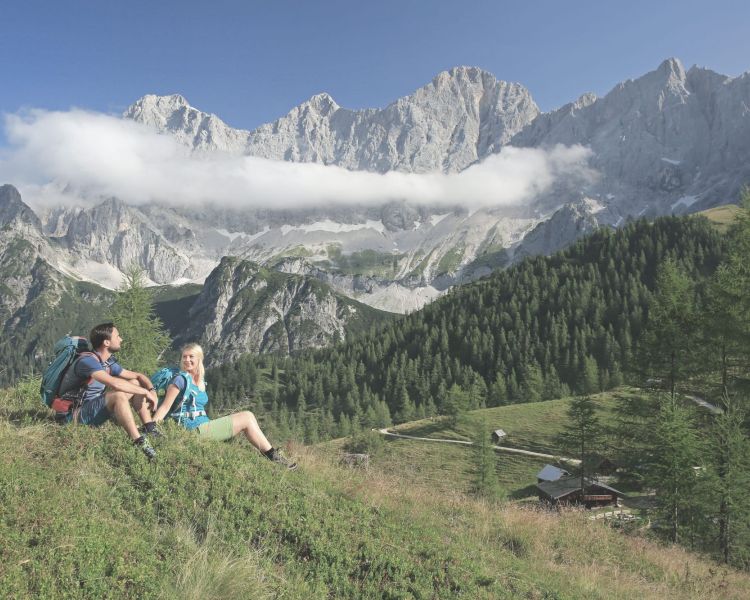
The next time you’re hiking in the Alps, take a close look at the rock beneath your feet. Now you can impress your fellow hikers with your impressive expert knowledge!





 Members Area
 Hiking Concierge
 Hiking Scout
 Our Team
 Podcasts & Press